Home/News/The Essential Guide to Simple Reel Stands: Efficient Manual Pay-Out Solutions for Wire and Cable Installation
The Essential Guide to Simple Reel Stands: Efficient Manual Pay-Out Solutions for Wire and Cable Installation
December 2, 2025
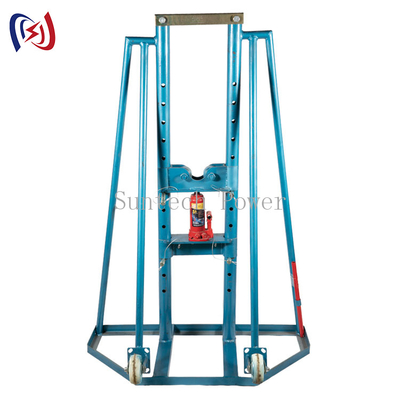
The Essential Guide to Simple Reel Stands: Efficient Manual Pay-Out Solutions for Wire and Cable InstallationIn wire and cable installation projects across diverse global regions, efficiency often depends on having the right equipment for the specific task at hand. For numerous applications involving manual pay-out operations, the simple reel stand represents an indispensable tool that combines practicality, portability, and functionality. These lightweight yet durable stands provide a stable platform for various reel sizes, enabling smooth, controlled wire deployment with minimal crew requirements.Particularly in regions like Central Asia, the Middle East, Africa, South America, and Southeast Asia, where projects may involve remote locations, limited access to heavy equipment, or budget constraints, simple reel stands offer a cost-effective solution for electrical contractors, telecommunications installers, and utility maintenance teams. Their straightforward design makes them suitable for both permanent workshops and temporary job sites, providing reliable performance across diverse working conditions.For professionals seeking efficient manual cable deployment solutions, our product line includes various simple reel stand configurations designed for different applications and reel sizes. Detailed specifications are available on our website for your reference.
Understanding Manual Cable Pay-Out Operations
The Role of Manual DeploymentDespite technological advancements in cable installation equipment, manual pay-out methods remain relevant for numerous scenarios:
Small-Scale Projects: Residential wiring, small commercial installations, and repair work
Remote Locations: Sites with limited vehicle access or challenging terrain
Tubular Steel Construction: Lightweight yet robust framework for durability
Tripod Base Design: Stable three-point support system that prevents tipping
Adjustable Arms: Configurable components that accommodate different reel widths
Modular Components: Interchangeable parts for easy maintenance and repair
Reel Engagement SystemThe core functionality revolves around secure reel mounting:
Spindle Mechanism: Simple rod or pipe that passes through the reel core
Quick-Release Features: Efficient reel loading and unloading mechanisms
Bearing Surfaces: Low-friction interfaces for smooth rotation
Safety Stops: Positive locking devices that prevent accidental disengagement
Portability ConsiderationsDesign elements that enhance equipment mobility:
Folding Design: Compact storage configuration for transport and storage
Lightweight Materials: Aluminum or thin-wall steel construction
Integrated Handles: Convenient carrying points for personnel
Minimal Components: Reduced parts count for easier handling
Load Capacity Engineering
Weight Distribution: Balanced design that maintains stability under load
Material Selection: Appropriate strength-to-weight ratio materials
Safety Factors: Engineering margins that ensure reliable performance
Dynamic Loading: Capacity to handle starting and stopping forces
Technical Specifications and Performance Characteristics
Physical Dimensions
Height Range: Typically 24-36 inches (60-90 cm) for ergonomic operation
Base Width: 24-30 inch (60-75 cm) footprint for optimal stability
Folded Dimensions: Compact 36x12x6 inch (90x30x15 cm) package for transport
Weight Capacity: 200-500 lb (90-225 kg) depending on model and configuration
Reel Compatibility
Core Diameter: Accommodates standard 2-4 inch (5-10 cm) reel centers
Reel Width: Adjustable for 8-24 inch (20-60 cm) wide reels
Flange Diameter: Suitable for 12-36 inch (30-90 cm) diameter reels
Weight Distribution: Balanced support for various load distributions
Operational Parameters
Rotation Effort: Low friction for easy manual rotation
Setup Time: Typically 2-5 minutes for assembly and reel loading
Crew Requirements: Operable by 1-2 persons depending on reel weight
Terrain Adaptation: Stable on various surfaces including uneven ground
Selection Criteria for International Projects
Technical Requirements Assessment
Reel Specifications: Compatibility with commonly used reel sizes and weights
Material Considerations: Appropriate for local environmental conditions
Load Capacity: Sufficient for maximum anticipated reel weights
Safety Features: Meets or exceeds local safety standards and regulations
Operational Needs Evaluation
Mobility Requirements: Frequency of movement between job sites
Setup Efficiency: Importance of rapid deployment for project timelines
Skill Level Alignment: Appropriate for available crew expertise
Maintenance Capabilities: Match with local technical support resources
Regional Adaptation Factors
Climate Considerations: Performance in temperature extremes and weather conditions
Transportation Logistics: Size and weight relative to local transport options
Regulatory Compliance: Adherence to regional equipment standards
Service Support: Availability of replacement parts and technical assistance
Economic Considerations
Initial Investment: Purchase price relative to project budgets
Lifecycle Costs: Long-term maintenance and repair requirements
Utilization Rate: Frequency of use across multiple projects
Training Requirements: Cost and availability of operator training
For projects with specific requirements, our product range includes various simple reel stand models with different specifications and capabilities. Comprehensive product information is available on our website to assist with selection.
Operational Best Practices
Site Preparation
Location Assessment: Evaluation of ground conditions and workspace requirements
Access Planning: Consideration of cable path and pay-out direction
Safety Review: Identification of potential hazards and mitigation strategies
Equipment Inspection: Pre-use verification of all components and connections
Setup Procedures
Base Assembly: Proper unfolding and locking of support structure
Reel Loading: Safe lifting and positioning of cable reel on spindle
Secure Engagement: Positive locking of reel retention mechanisms
Functional Testing: Verification of smooth rotation and stability
During Operation Protocols
Monitoring: Continuous assessment of equipment stability and reel movement
Pacing: Controlled pay-out speed appropriate for cable type and application
Communication: Clear signals between pay-out and receiving personnel
Problem Response: Immediate action for tangles, snags, or stability issues
Post-Operation Requirements
Equipment Cleaning: Removal of dirt, debris, and moisture
Component Inspection: Examination for wear, damage, or corrosion
Proper Storage: Correct folding and storage in appropriate conditions
Maintenance Logging: Documentation of any issues and maintenance performed
Safety Systems and Procedures
Engineering Safety Features
Stable Base Design: Wide stance that prevents tipping during operation
Positive Locking: Secure reel engagement that prevents accidental release
Smooth Edges: Rounded corners and protected surfaces to prevent injury
Non-Slip Features: Surface treatments that enhance grip and stability
Operational Safety Protocols
Load Limits: Strict adherence to manufacturer's rated capacity
Proper Setup: Verification of complete assembly before loading
Personal Protection: Appropriate PPE including gloves and safety footwear
Clear Areas: Maintenance of unobstructed workspace around equipment
Emergency Procedures
Immediate Stop: Rapid response to stability issues or equipment failure
Problem Isolation: Securing the situation before attempting corrections
Damage Assessment: Evaluation of equipment and cable condition after incidents
Reporting Requirements: Documentation of any safety-related events
The simple reel stand represents an optimal solution for numerous cable pay-out applications, particularly in situations where equipment portability, cost-effectiveness, and operational simplicity are prioritized. By providing a stable, efficient platform for manual cable deployment, these versatile tools contribute significantly to project efficiency, cable protection, and worker safety. The right reel stand selection, matched to specific project requirements and local conditions, delivers measurable benefits in terms of performance, reliability, and cost-effectiveness.For electrical contractors, telecommunications installers, and utility service providers operating across international markets, investing in appropriate cable deployment equipment demonstrates a commitment to quality workmanship and operational efficiency. The modest investment in proper reel stand equipment yields substantial returns through improved productivity, reduced cable damage, and enhanced professional capabilities.To explore our range of simple reel stands designed for various applications and cable types, we invite you to visit our product homepage for detailed specifications, application guidance, and technical support resources.