Home/News/The Comprehensive Guide to Hydraulic Cable Reel Stands: Advanced Solutions for Heavy-Duty Cable Installation
The Comprehensive Guide to Hydraulic Cable Reel Stands: Advanced Solutions for Heavy-Duty Cable Installation
December 2, 2025
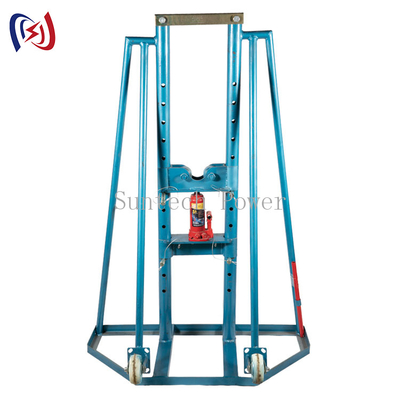
The Comprehensive Guide to Hydraulic Cable Reel Stands: Advanced Solutions for Heavy-Duty Cable InstallationIn the field of power transmission, telecommunications, and utility infrastructure development, the installation of heavy cables presents significant logistical challenges that require specialized equipment. The Hydraulic Cable Reel Stand represents a sophisticated solution designed specifically for handling large, heavy cable reels in demanding working conditions. These advanced stands combine hydraulic lifting technology with practical mobility features, providing a reliable method for supporting, positioning, and deploying cables in various installation scenarios.For utility contractors, electrical installation companies, and telecommunications providers operating across diverse regions including Central Asia, the Middle East, Africa, South America, and Southeast Asia, having appropriate equipment for heavy cable handling is essential for project efficiency, worker safety, and operational success. This comprehensive guide examines hydraulic cable reel stands from both technical and practical perspectives, focusing on their design principles, operational benefits, and appropriate application scenarios.To explore our range of hydraulic cable reel stands designed for heavy-duty applications, we invite you to visit our product homepage for detailed specifications and configuration options.
Understanding the Challenges of Heavy Cable Reel Handling
Physical Demands of Large Cable ReelsIndustrial and utility-grade cables present substantial handling challenges:
Significant Weight: Large power cables can weigh several tons when wound on reels
Large Dimensions: Reels often measure 2-4 meters in diameter, requiring substantial clearance
Stability Requirements: The high center of gravity creates tipping hazards during movement
Precision Positioning: Accurate alignment is necessary for proper cable deployment
Common Operational Scenarios
Utility Scale Projects: High-voltage transmission line installation and maintenance
Industrial Applications: Heavy power cable installation in manufacturing facilities
Telecommunications Infrastructure: Fiber optic cable deployment for network expansion
Renewable Energy Projects: Cable installation for solar farms and wind energy facilities
Safety Considerations
Worker Protection: Preventing injuries from manual handling of heavy reels
Equipment Security: Avoiding damage to valuable cables and equipment
Site Safety: Maintaining safe working conditions during cable pulling operations
Load Stability: Preventing accidental tipping or dropping of heavy reels
Technical Design and Engineering Features
Hydraulic Lifting SystemThe core innovation of these stands is their integrated hydraulic lifting mechanism:
Renewable Energy: Cable installation for solar and wind power projects
For projects requiring reliable handling of heavy cable reels, our hydraulic stands provide robust performance across various applications. Detailed application notes are available on our website.
Selection Guide: Key Considerations
Technical Specifications
Load Capacity: Must exceed the maximum anticipated reel weight
Lifting Height: Adequate range for operational requirements
Reel Size Compatibility: Appropriate for anticipated reel dimensions
Hydraulic Performance: Sufficient power for expected loads
Operational Requirements
Mobility Needs: Frequency of movement and distance requirements
Space Constraints: Workspace limitations and access considerations
Crew Capabilities: Alignment with available operator skill levels
Project Timeline: Equipment suitability for project duration
Environmental Factors
Site Conditions: Terrain and surface conditions at deployment sites
Weather Exposure: Protection needed for outdoor operation
Temperature Range: Performance in extreme temperature conditions
Corrosion Resistance: Protection against environmental factors
Economic Considerations
Initial Investment: Purchase price relative to project budget
Operating Costs: Maintenance and operational expenses
Lifecycle Value: Expected service life and durability
ROI Calculation: Return on investment analysis
Technical Specifications and Performance Data
Load Capacity Ratings
Standard models: 2,000 kg to 10,000 kg capacity
Heavy-duty models: Up to 20,000 kg capacity
Safety factors: Minimum 3:1 safety margin
Testing certification: Independent verification available
Hydraulic System Specifications
Lifting capacity: Appropriate for maximum rated load
Lifting speed: Controlled operation for precise positioning
Pump operation: Manual or power-assisted options
Pressure rating: Suitable for heavy-load applications
Physical Dimensions
Height range: Adjustable from low to high positions
Footprint: Stable base dimensions for various reel sizes
Weight: Appropriate for stability while maintaining mobility
Storage size: Collapsed dimensions for efficient storage
Mobility Features
Caster capacity: Rated for maximum load conditions
Wheel material: Suitable for various floor types
Swivel capability: Full rotation for maneuverability
Braking system: Positive locking mechanisms
Operational Best Practices
Setup Procedures
Site assessment for stability and access
Proper positioning for cable deployment
Secure setup on appropriate surface
Pre-operation inspection of all components
Loading Operations
Correct reel positioning approach
Proper engagement of reel shaft
Secure locking of retention mechanisms
Weight distribution verification
During Operation
Continuous monitoring of stability
Regular inspection of hydraulic system
Attention to cable deployment alignment
Awareness of surrounding conditions
Maintenance Protocols
Regular hydraulic system checks
Structural component inspection
Mobility system maintenance
Lubrication and cleaning schedules
Safety Systems and Protocols
Engineering Controls
Load capacity limits clearly marked
Safety factors incorporated in design
Fail-safe mechanisms for critical systems
Emergency lowering capabilities
Operational Safety
Load limit adherence procedures
Stability assessment protocols
Movement and positioning guidelines
Emergency situation response plans
Personal Protection
Appropriate PPE requirements
Worker training and certification
Safe work practice implementation
Incident reporting procedures
Cost-Benefit Analysis
Initial Investment
Equipment purchase price
Delivery and setup costs
Training requirements investment
Accessory and option costs
Operational Benefits
Labor efficiency improvements
Time savings in cable installation
Reduced equipment damage
Enhanced worker safety
Long-Term Value
Equipment lifespan expectations
Maintenance cost projections
Resale value considerations
Total cost of ownership analysis
Conclusion: Enhancing Cable Installation Efficiency and Safety
Hydraulic cable reel stands represent a significant advancement in cable installation technology, offering substantial benefits in terms of efficiency, safety, and operational capability. By combining hydraulic lifting power with practical mobility features, these systems address the fundamental challenges of handling heavy cable reels in various working environments. The right equipment selection, matched to specific project requirements, delivers measurable benefits in performance, reliability, and cost-effectiveness.For utility contractors and installation companies working across international markets, investing in appropriate cable handling equipment demonstrates a commitment to operational excellence and safety leadership. The proper equipment choice contributes significantly to project success while ensuring the protection of valuable cables and the safety of installation crews.To learn more about how our hydraulic cable reel stands can address your specific project requirements, we encourage you to visit our website for comprehensive product information and technical support resources.