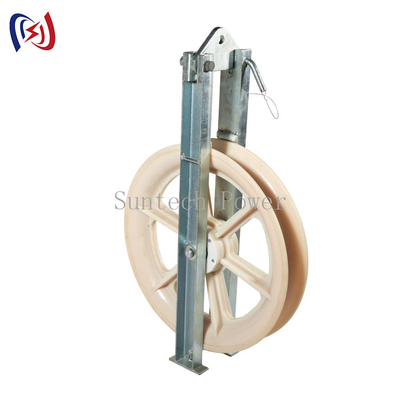
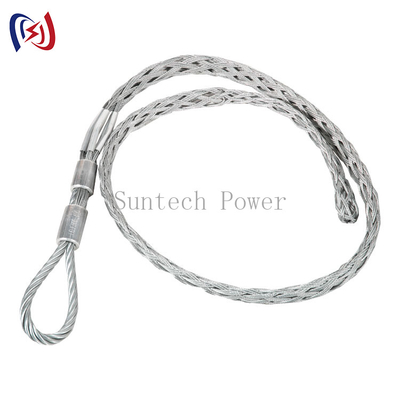
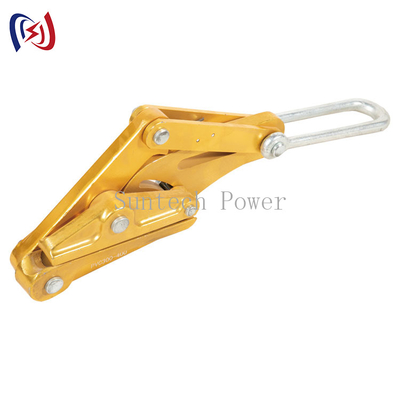
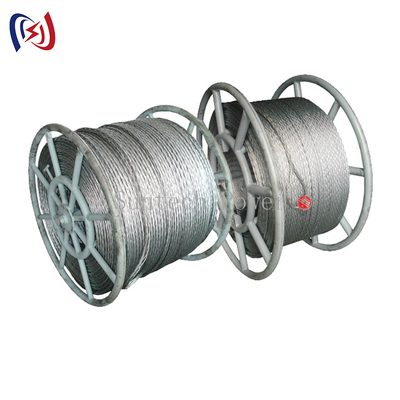
In modern underground power distribution and transmission projects, the entrance point where a cable enters or exits a manhole, cable pit, or trench is one of the most vulnerable locations during installation. Sharp edges, rough conduit surfaces, and misalignment can cause significant damage to the cable jacket, leading to insulation failure, costly repairs, and project delays. This is where the Cable Pithead Roller — also referred to as an Entrance Protection Roller or Bell Mouth Roller — becomes indispensable.
This guide is designed to help procurement managers, project engineers, and site supervisors make informed decisions when selecting a pithead roller for their specific underground cable laying applications.
1. Understanding the Role of a Cable Pithead Roller
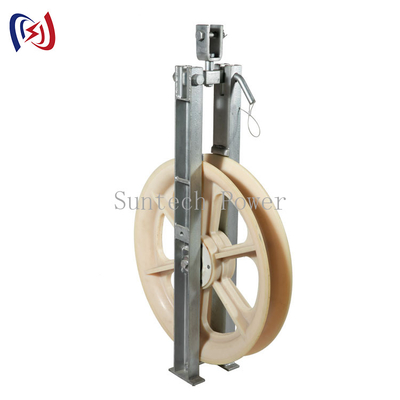
A Cable Pithead Roller is installed at the opening of a manhole or cable pit. Its job is to guide the cable smoothly into or out of the underground conduit, preventing direct contact between the cable jacket and the sharp metal or concrete edges of the pit opening. The roller rotates freely as the cable passes, replacing sliding friction with rolling friction and significantly reducing the pulling tension required.
Beyond simple guidance, high-quality pithead rollers also provide lateral stability, keeping the cable centered within the conduit path and preventing twisting or side-loading that can stress the conductor.
2. Key Selection Criteria
Roller Configuration: Single vs. Multi-Drum
Single-roller pithead rollers are suitable for low-voltage cables with diameters under 50mm. For medium to high-voltage cables (up to 150mm diameter), multi-drum (triple or quadruple roller) configurations provide superior support and distribute the load evenly across multiple contact points. The triple-drum design can reduce pulling tension by up to 40%, a critical factor for long-distance pulls.
Roller Material: Nylon vs. Aluminum
Nylon rollers are the preferred choice for most underground cable installations. They offer a low friction coefficient (≤0.15), are non-conductive, and will not scratch or abrade the cable jacket. Aluminum alloy rollers, while more durable under extreme loads, require careful surface finishing to avoid damaging the cable. For projects involving sensitive insulation materials, nylon is strongly recommended.
Load Capacity
Always verify the working load limit (WLL) of the pithead roller against the maximum pulling tension expected in your project. High-voltage underground cable pulls can easily generate 20-50 kN of tension. Choose a roller rated at least 1.5 times the expected maximum tension for a safety margin.
Corrosion Resistance
Underground environments are humid and chemically aggressive. A hot-dip galvanized or powder-coated steel frame ensures the roller remains functional for 10+ years of outdoor and underground exposure. Stainless steel fasteners are also worth specifying for long-term reliability.
3. Common Installation Scenarios
• Manhole-to-manhole cable pulling in urban underground duct banks
• Transition from underground trench to above-ground substation entrance
• Cable pit openings in industrial power distribution networks
• Solar farm underground collection cable entry points
• Substation cable vault entrances and exits
4. Why It Matters for Your Project
Choosing the correct pithead roller directly impacts project cost and timeline. Cable jacket damage discovered after installation requires expensive excavation, cable replacement, and extended outage windows. A well-selected pithead roller — matched to your cable diameter, pulling tension, and environment — eliminates this risk at a fraction of the potential repair cost.
For long-term reliability, invest in a roller with proven load capacity (e.g., 50 kN rated), corrosion-resistant construction, and multi-roller design. These features directly translate into fewer field failures and lower total cost of ownership over the life of your underground network.


 Your message must be between 20-3,000 characters!